



Baylor psychiatry trainees learn refugee experiences at FAM Houston
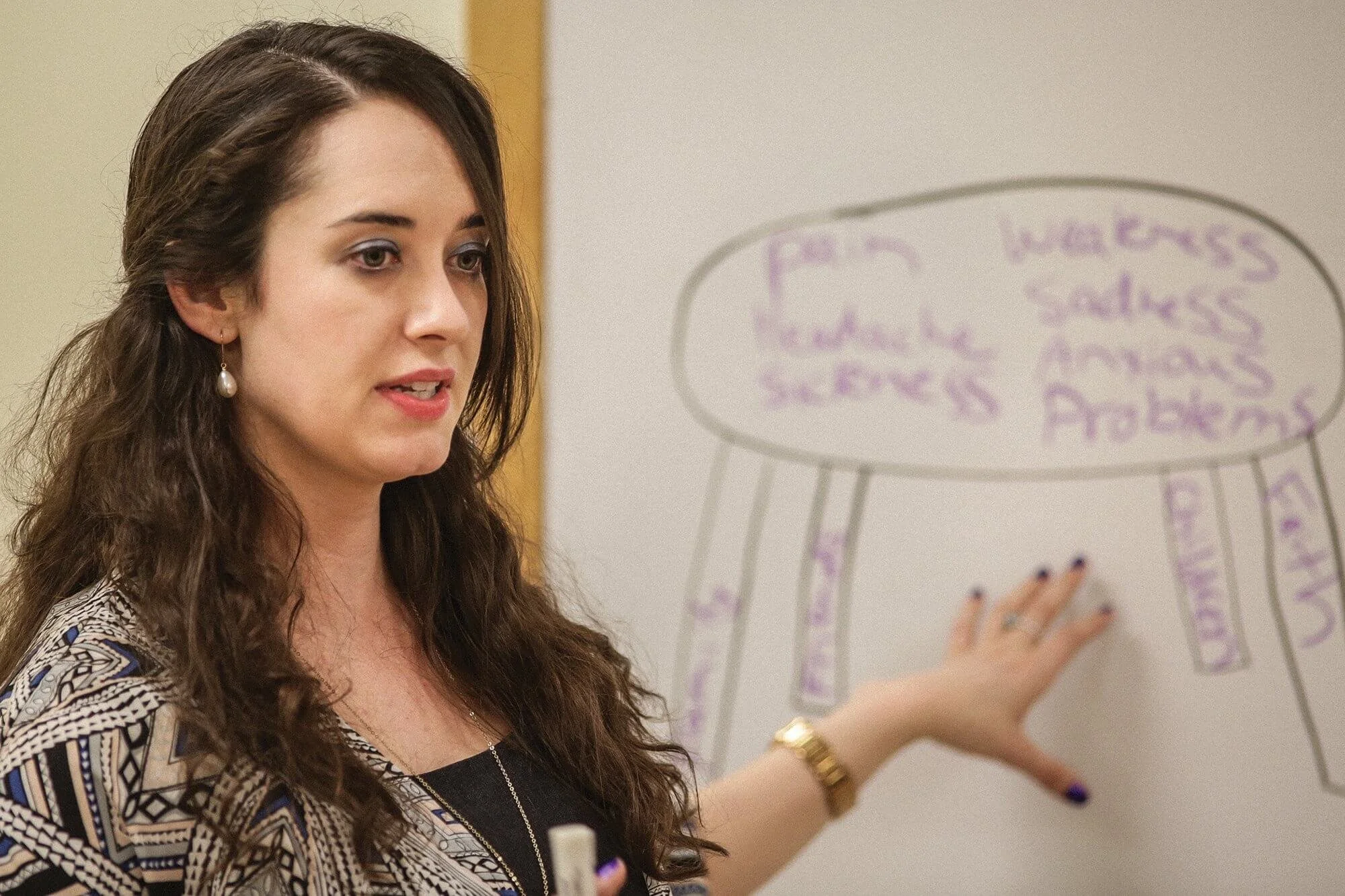
Dr. Sophia Banu’s continuous efforts to support refugees has led to her and her students’ to participate in FAM Houston, a 501(c)(3) nonprofit organization that works to empower women who are mainly refugees and immigrants in Houston.
While most of the women are originally from Congo, the FAM welcomes immigrants, refugees and asylum seekers of all backgrounds.
Banu, an associate professor in the Menninger Department of Psychiatry and Behavioral Sciences at Baylor College of Medicine, first learned about FAM through women she knew from working in the refugee community: Shirin Herman and Rev. Hannah R. Terry, both of whom are on the organization’s Board of Directors.
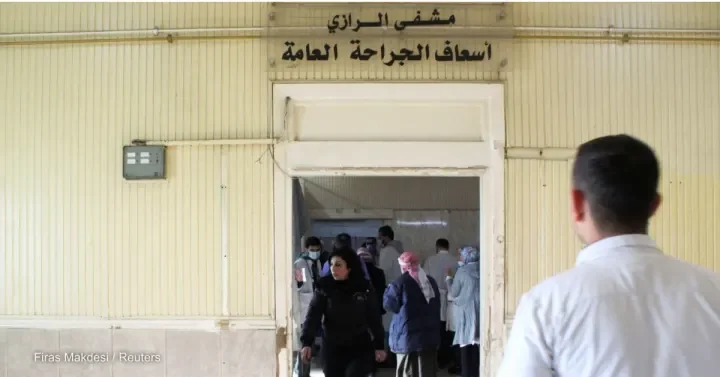
To rebuild Syria, addressing the mental health crisis is vital
A few days into our medical mission in northwest Syria, three weeks after the devastating Turkey-Syria earthquakes hit in February, we met a young boy named Hussein. No older than 4 years old, he was completely distraught, repeating over and over, “I want my father, I want my father,” all while his father stood right next to him, reassuring him. It was as if Hussein was in a trance — he couldn’t hear our questions or his father.
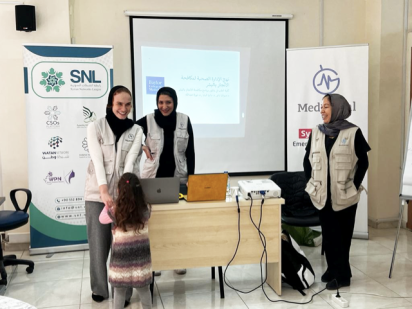
Baylor psychiatrist provides aid to Turkish, Syrian earthquake victims
After a severe earthquake hit Turkey and Syria in early February, immediate aid was necessary. The 7.8 magnitude earthquake caused extreme devastation and destruction, killing more than 57,000 people and injuring more than 125,000 others.
When a Baylor College of Medicine psychiatrist learned that help was needed fast, she and third-year psychiatry resident Dr. Dania Albaba traveled with MedGlobal to offer support to those affected, as well as to the doctors working to save lives. They were joined by another resident Dr. Nora Abdullah from UT Southwestern.


Disaster Psychiatry: Interventions Post-Hurricane Harvey in Houston
Published in: International Journal of Social Psychiatry, 2015
Summary: This paper explores key challenges clinicians face in delivering psychiatric care to refugee populations, particularly around language barriers, stigma, and system-level gaps in continuity of care.

Assessing Trauma among Tibetan Refugees: Validation of the HSCL-25 & HTQ
Authors: Hollifield, M., Warner, T.D., Lian, N., Krakow, B., Jenkins, J.H., Kesler, J., Stevenson, J., Banu, S., et al.
Summary: This study validated two commonly used trauma assessment tools (HSCL-25 and HTQ) among Tibetan refugees. It established cross-cultural reliability and is now widely cited in refugee mental health assessments.

Addressing Mental Health in Refugee Populations: Cultural and Systemic Barriers
Published in: International Journal of Social Psychiatry, 2015
Summary: This paper explores key challenges clinicians face in delivering psychiatric care to refugee populations, particularly around language barriers, stigma, and system-level gaps in continuity of care.
Providing Care for Survivors of Torture: A Clinical Case Study Approach
Published in: International Journal of Social Psychiatry, 2015
Summary: This paper explores key challenges clinicians face in delivering psychiatric care to refugee populations, particularly around language barriers, stigma, and system-level gaps in continuity of care.
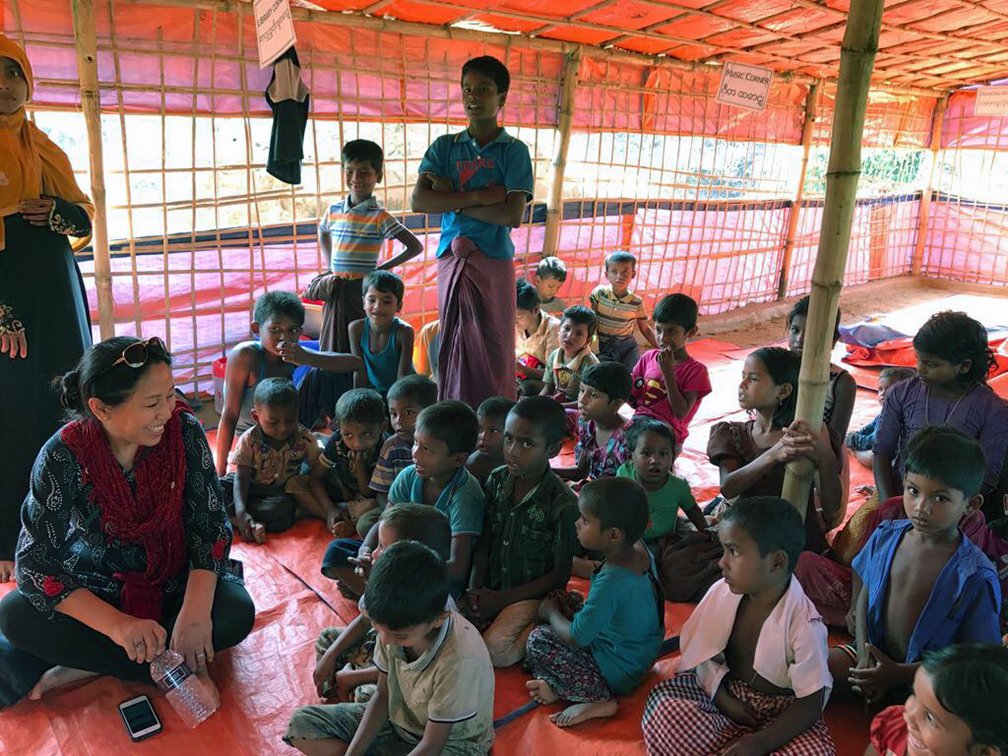
Distance won’t stop this doctor from helping people in need
For Dr. Sophia Banu, assistant professor in the Menninger Department of Psychiatry and Behavioral Sciences, helping people has always been her passion. With immense compassion and empathy, Banu has traveled all over the world to help people during some of the most challenging times of their lives. In the Q&A below, she discusses her most recent aid trip to Bangladesh as well as her other aid trips.